Critically endangered
Before,
Extinct in
the Wild
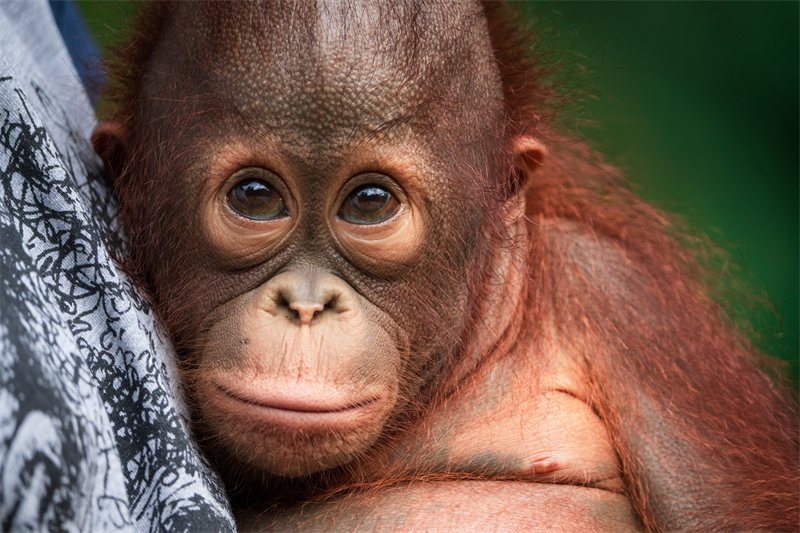
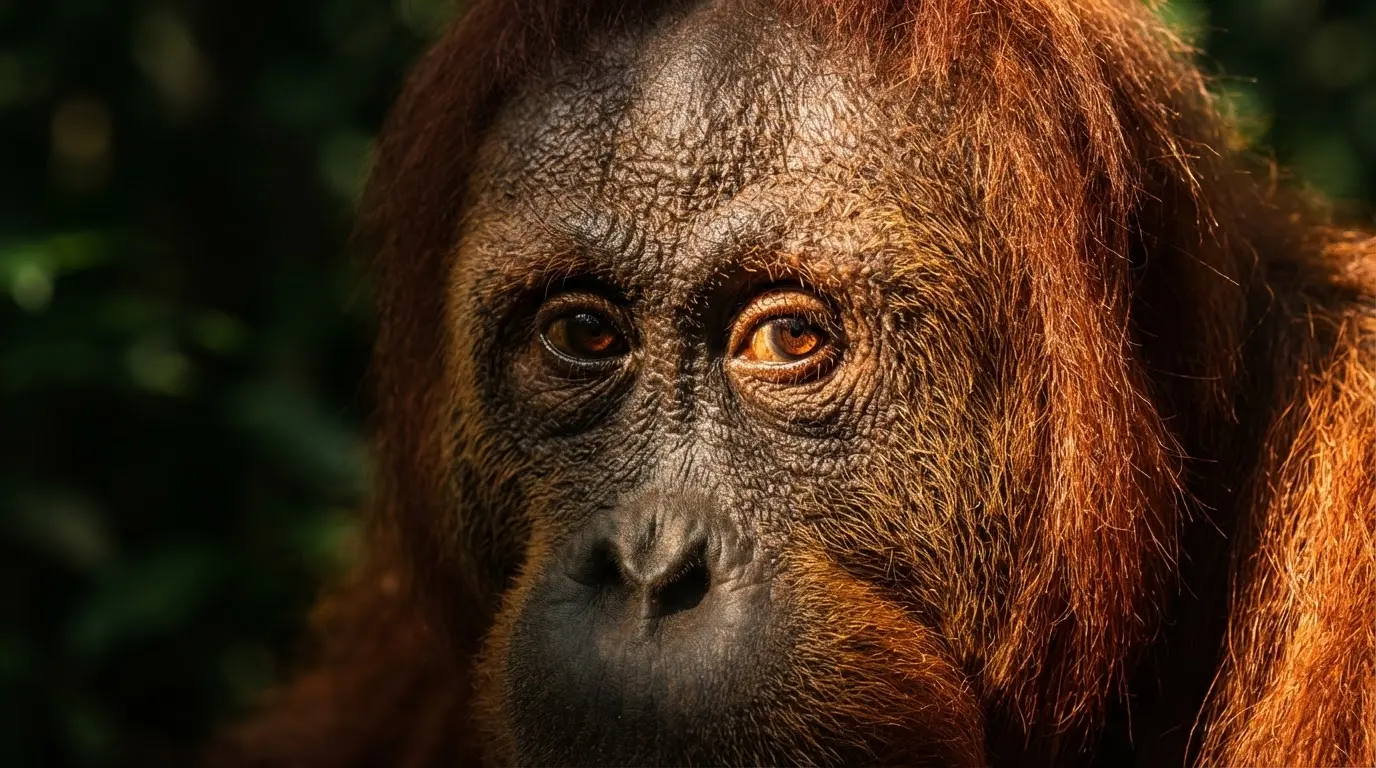
Orangutans are critically endangered and are the highest risk category before Extinct in the Wild. BOS Australia funds the largest orangutan reintroduction programme on earth.
- Volunteer-run Australian charity
- Donations over $2 tax deductible
- Supporting BOS Foundation since 2001
Our vision
Our vision is a world where orangutans are free from the threat of extinction and can live in the wild, unharmed by humans.
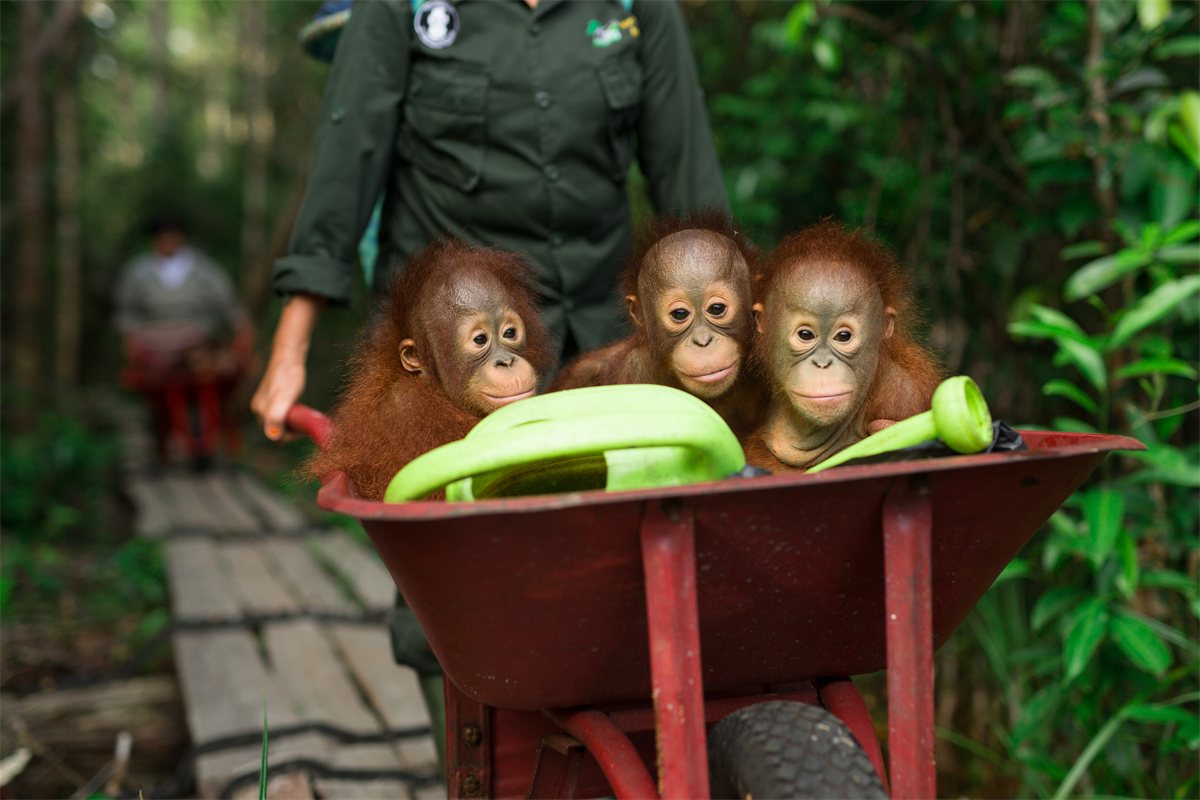
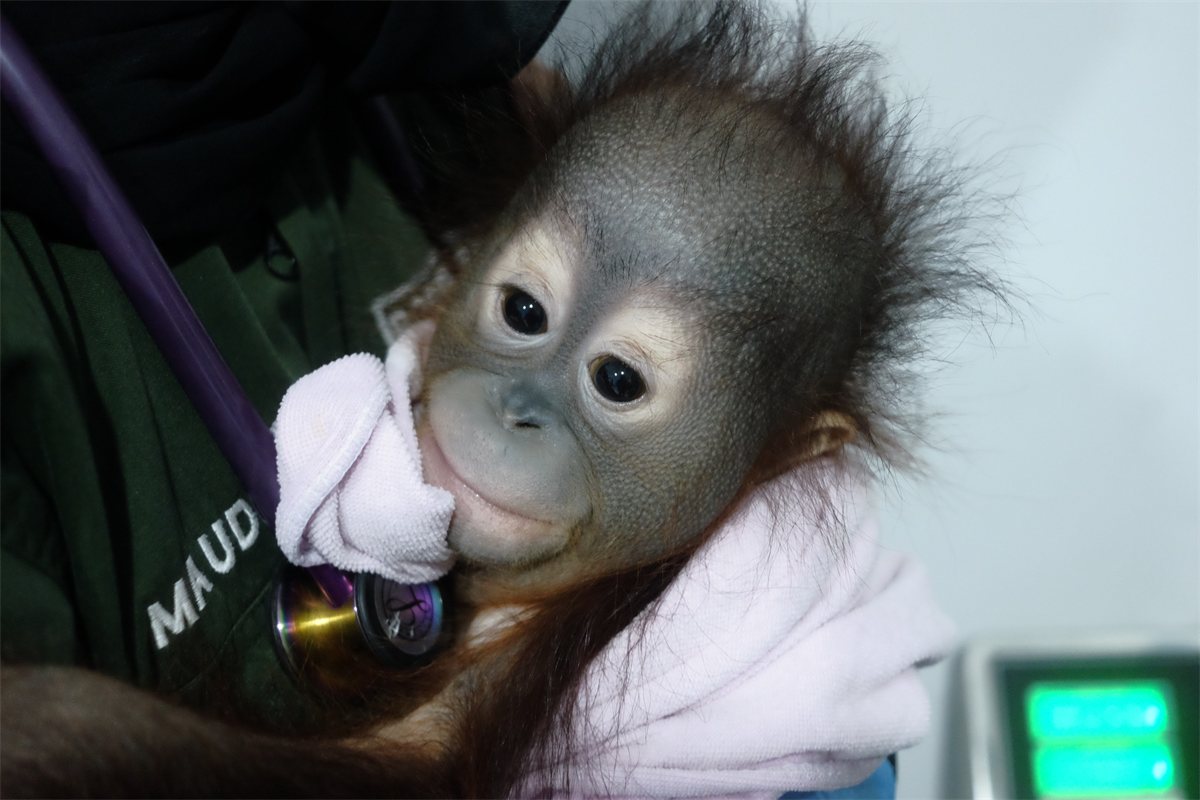
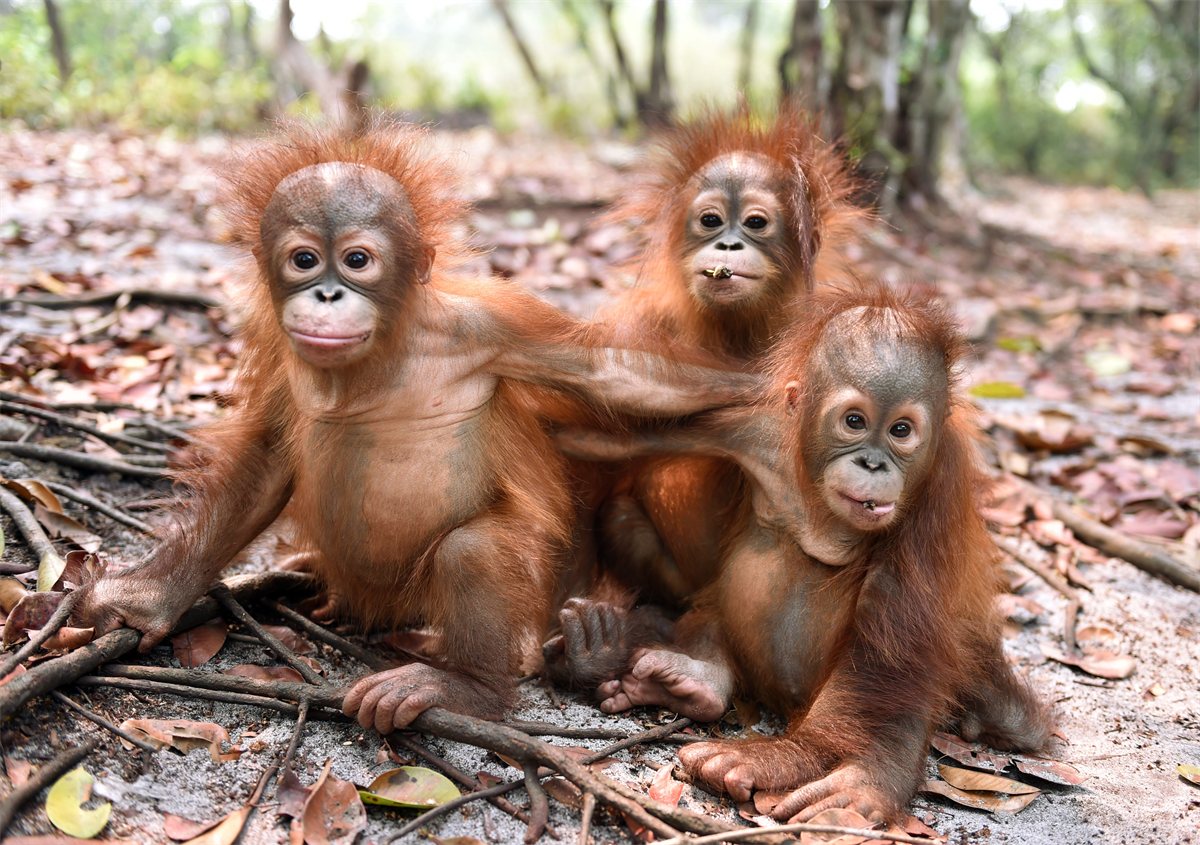
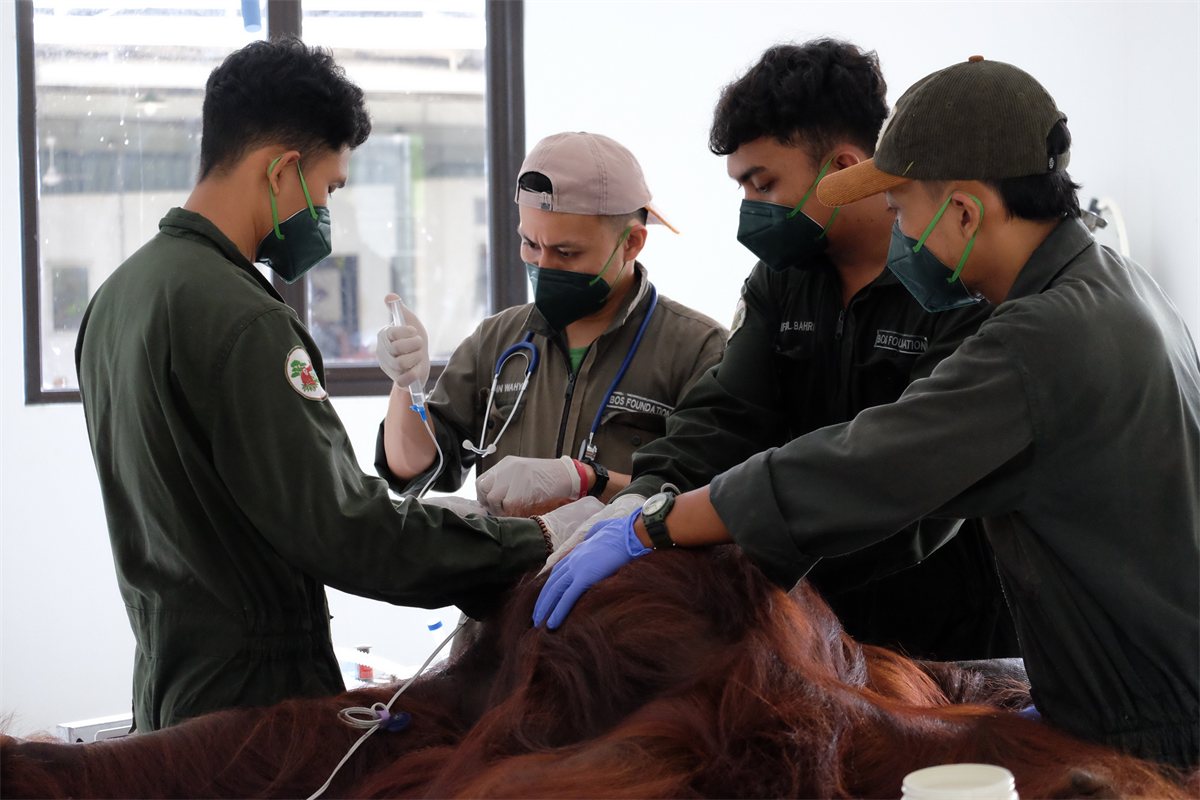
Donate nowWe work alongside the Borneo Orangutan Survival Foundation across two sanctuaries in Kalimantan. Orangutans arrive orphaned, injured or seized from the pet trade. Most are infants who have watched their mother die.
Rehabilitation takes seven to nine years. There is no shortcut, and no substitute for the nannies, vets and rangers who do it — which is exactly what Australian supporters pay for.
More about BOS AustraliaWhat we do
Four Stages of
Rehabilitation
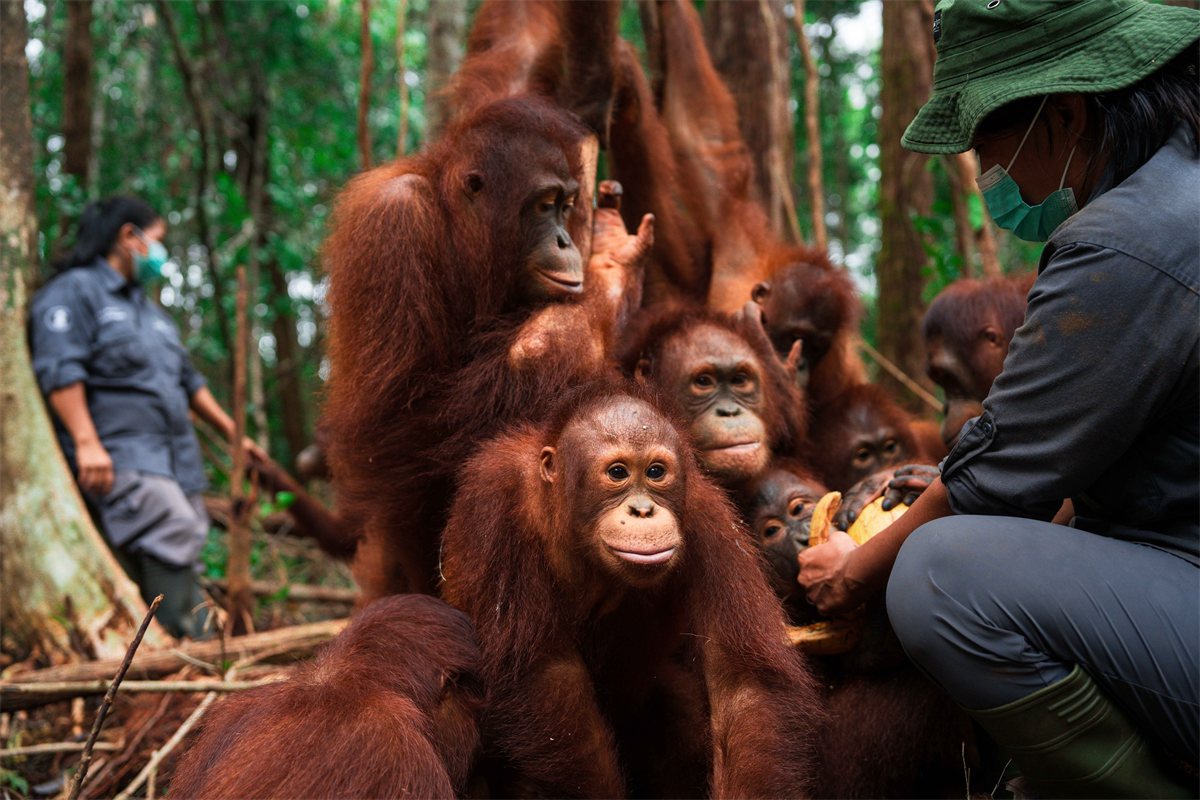
For more than two decades, the nannies, vets and rangers work daily to rehabilitate the 340+ orangutans in our care. Each stage is critical for their reintroduction back to the wild.
Read more-
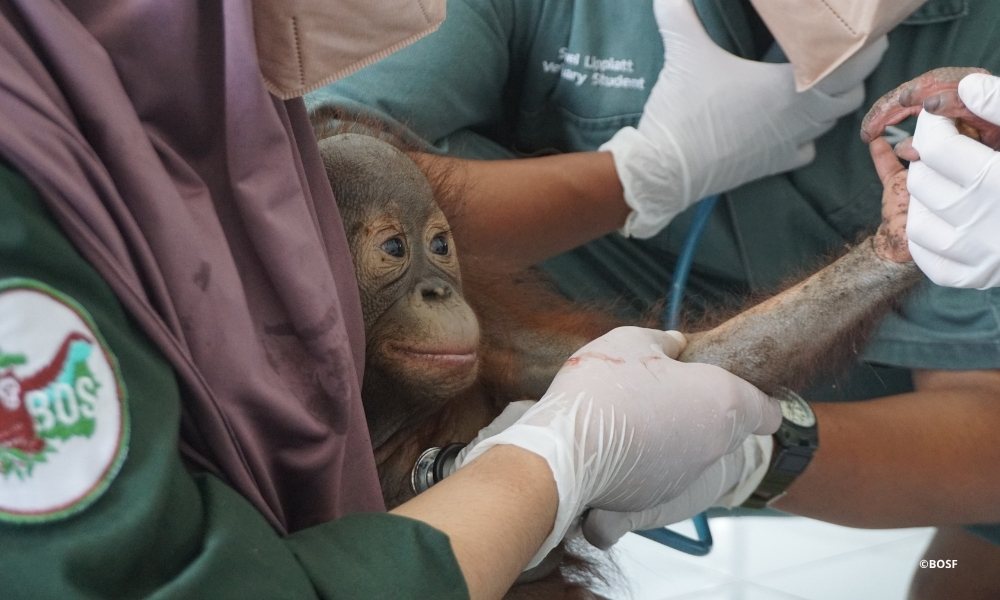
Rescue & quarantine
Confiscation from the pet trade or rescue from cleared forest, then medical triage and quarantine before any contact with other orangutans.
Nyaru Menteng · Samboja Lestari
-
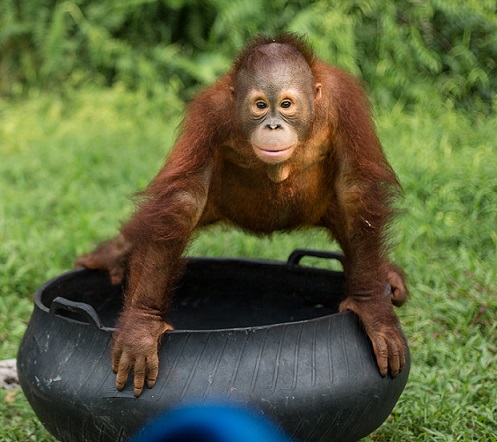
Forest School
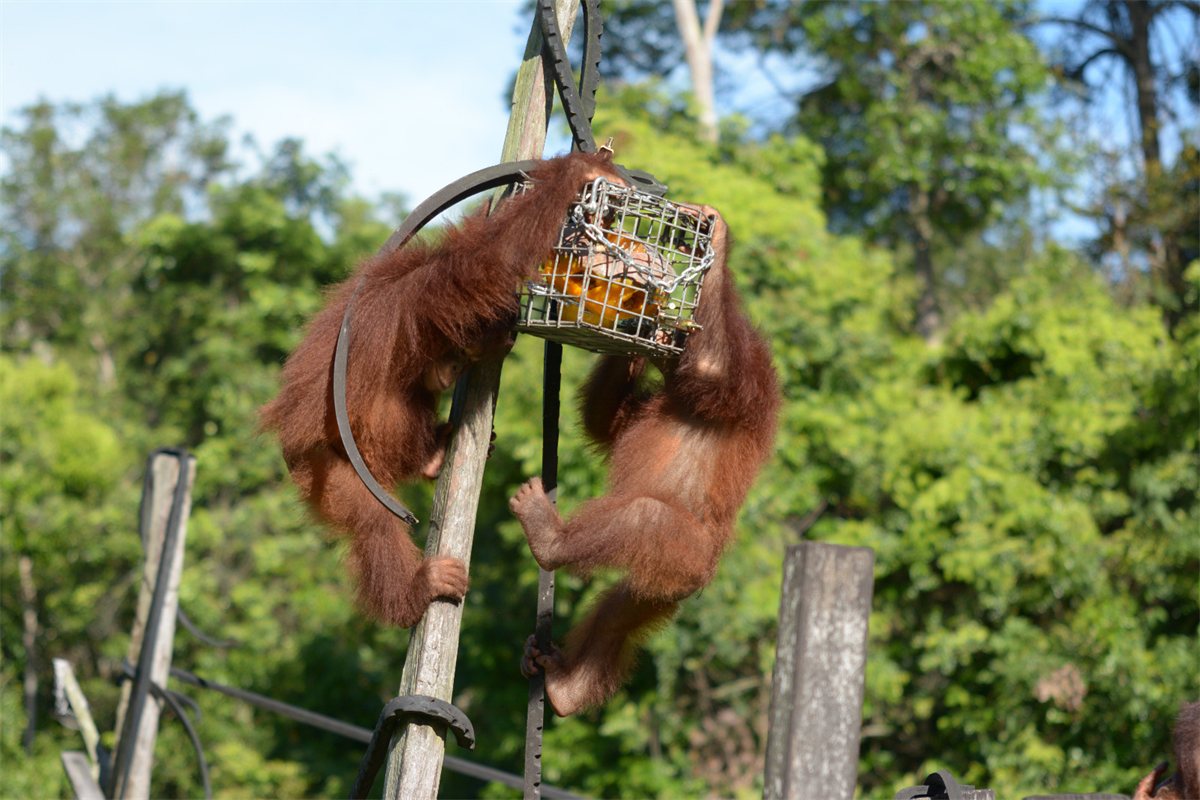
Years of daily lessons with surrogate nannies — climbing, nest-building, foraging and learning which of hundreds of forest foods are safe.
Five graded school stages
-
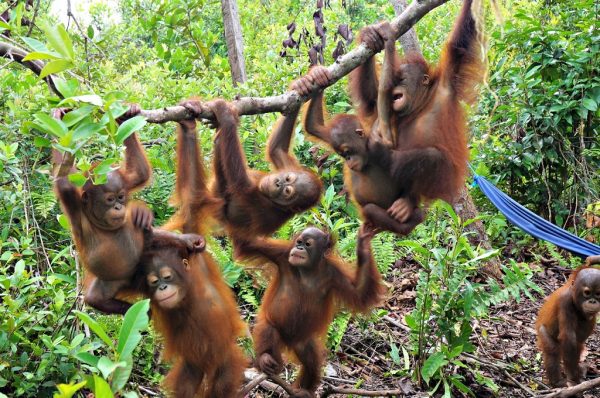
Pre-release islands
A final exam in semi-wild conditions. Candidates live unassisted on forested river islands while staff watch for genuine independence.
Salat Island cluster
-
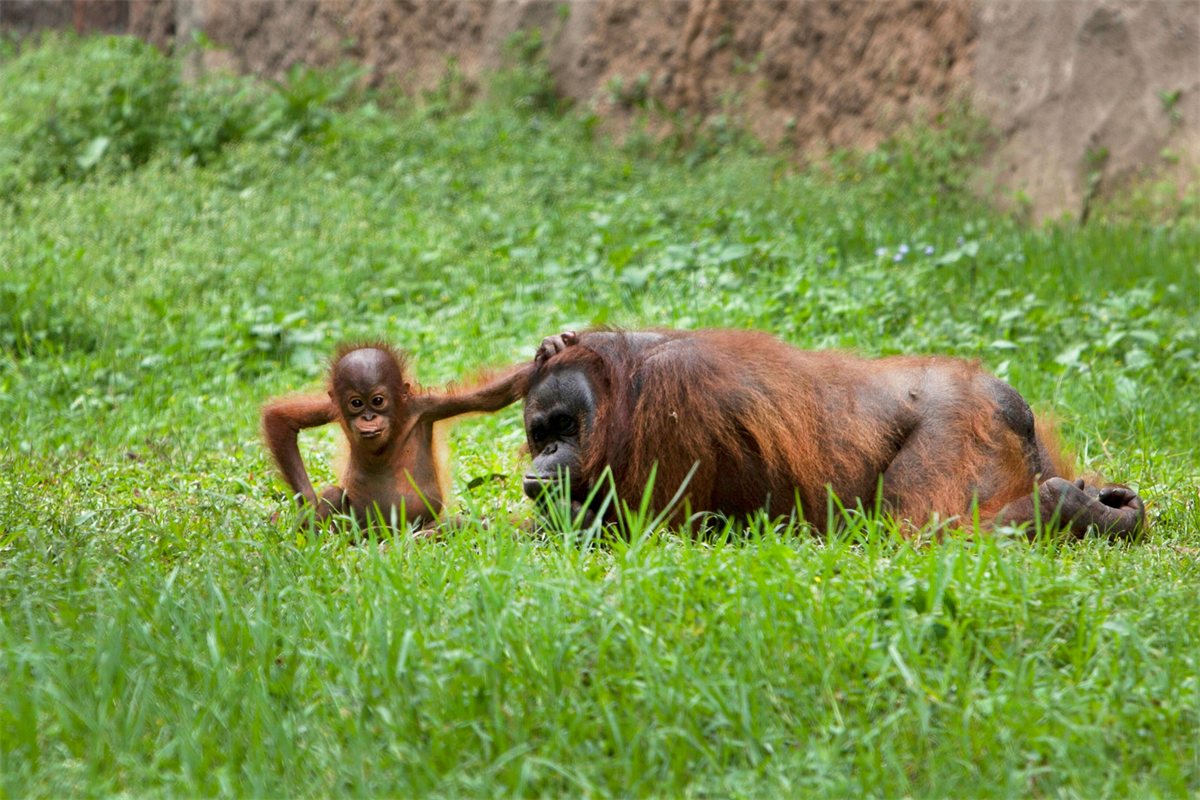
Wild release
Transport by boat, road and helicopter into protected forest, followed by years of post-release monitoring to confirm they are thriving.
Kehje Sewen · Bukit Baka
The journey
The journey to release can take up to 9 years with us. Our dedicated teams of specialists work to ensure their safe return home.
Meet the orangutans
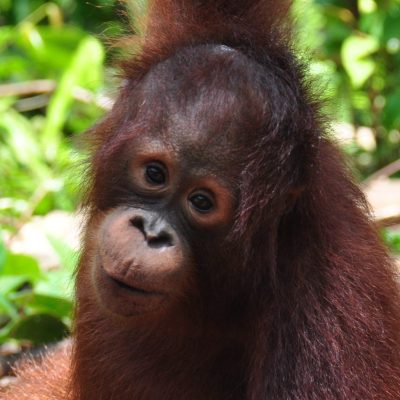
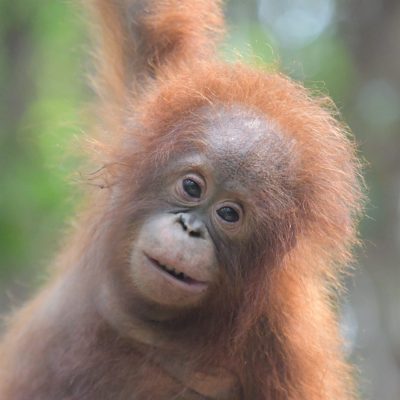
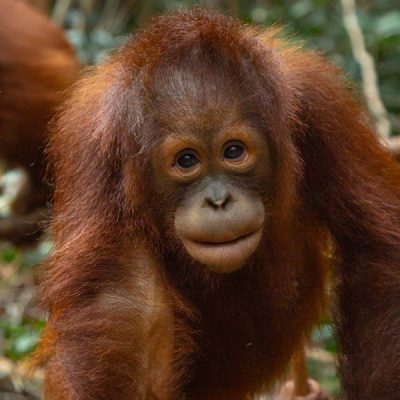
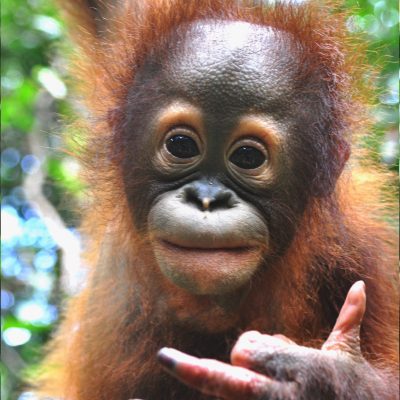
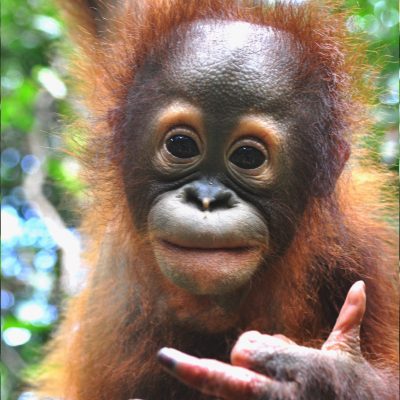
Adopt an Orangutan.
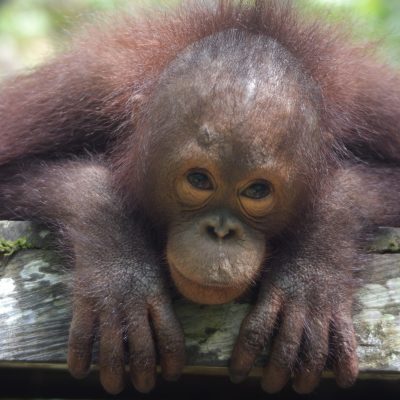
Adopting one pays for their milk, medicine and Forest School. Please support us by adopting an orangutan below.
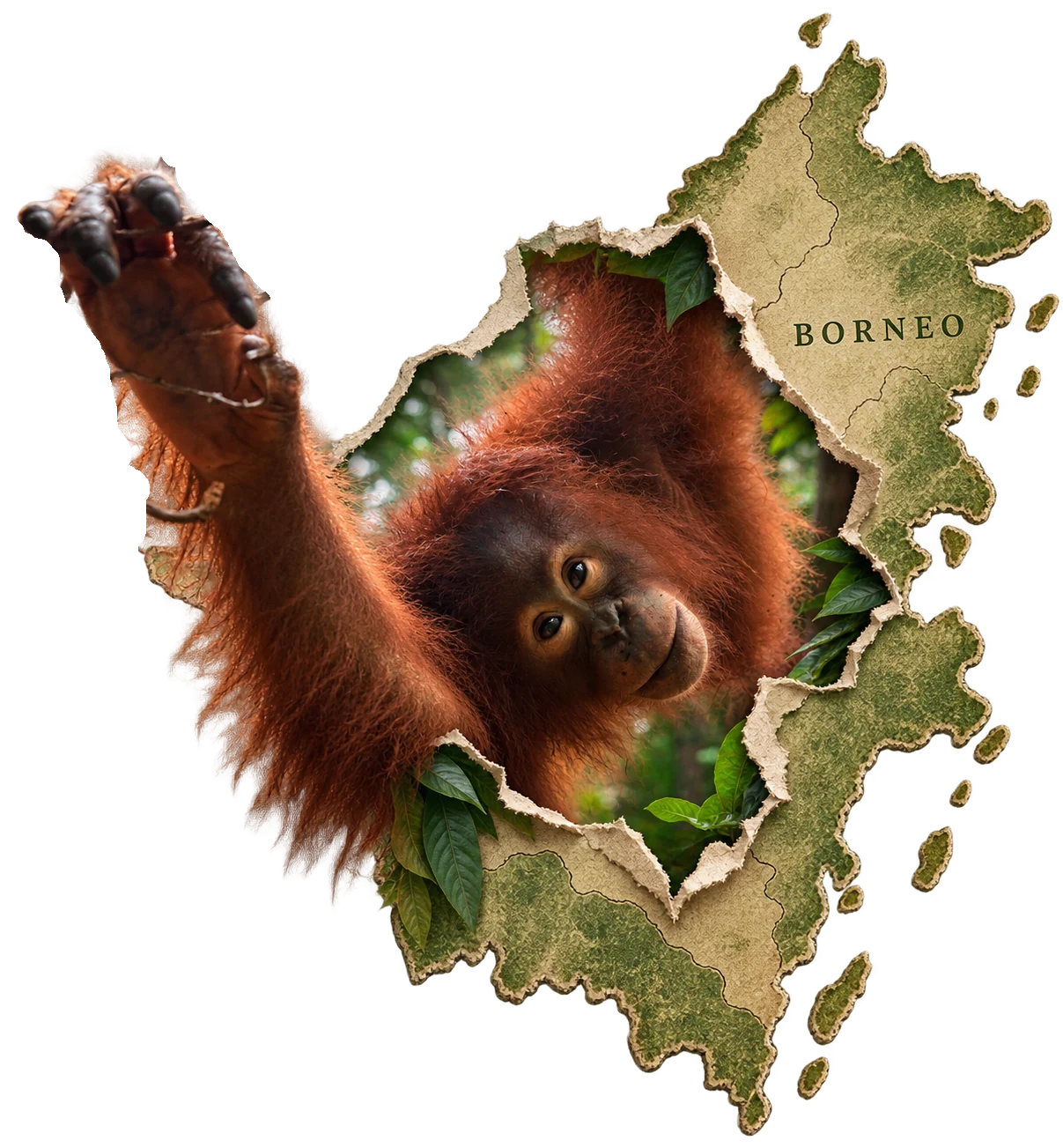
Where we work
See where your support saves lives.
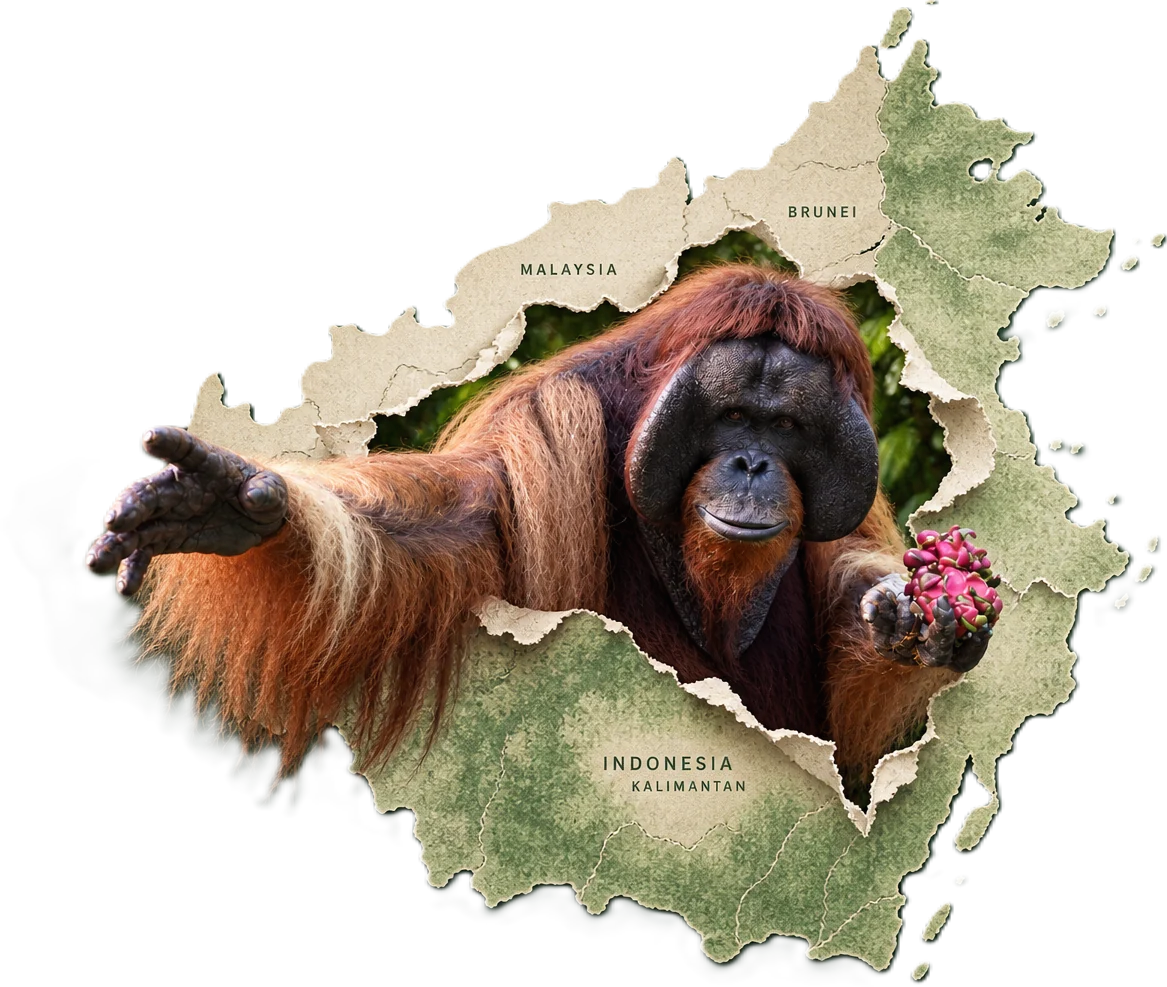
Two sanctuaries, two release forests and a cluster of pre-release islands, across more than 460,000 hectares of Kalimantan, Borneo. Choose a site to see what happens there.
Where we work
460,000+ hectares of Kalimantan protected, across two sanctuaries, two release forests and a cluster of islands.
Our impact
Two decades of Australian supporters.
Every number here is an orangutan that had a name, a nanny and a release date.
-

1,200+
Orangutans rescued
From the pet trade and from forest being cleared.
-

556
Released back home
Returned to protected forest.
-

340+
In our care
Living across two sanctuaries in Kalimantan.
-

70+
Sun bears in our care
Rescued alongside orangutans, at Samboja Lestari.
-

470+
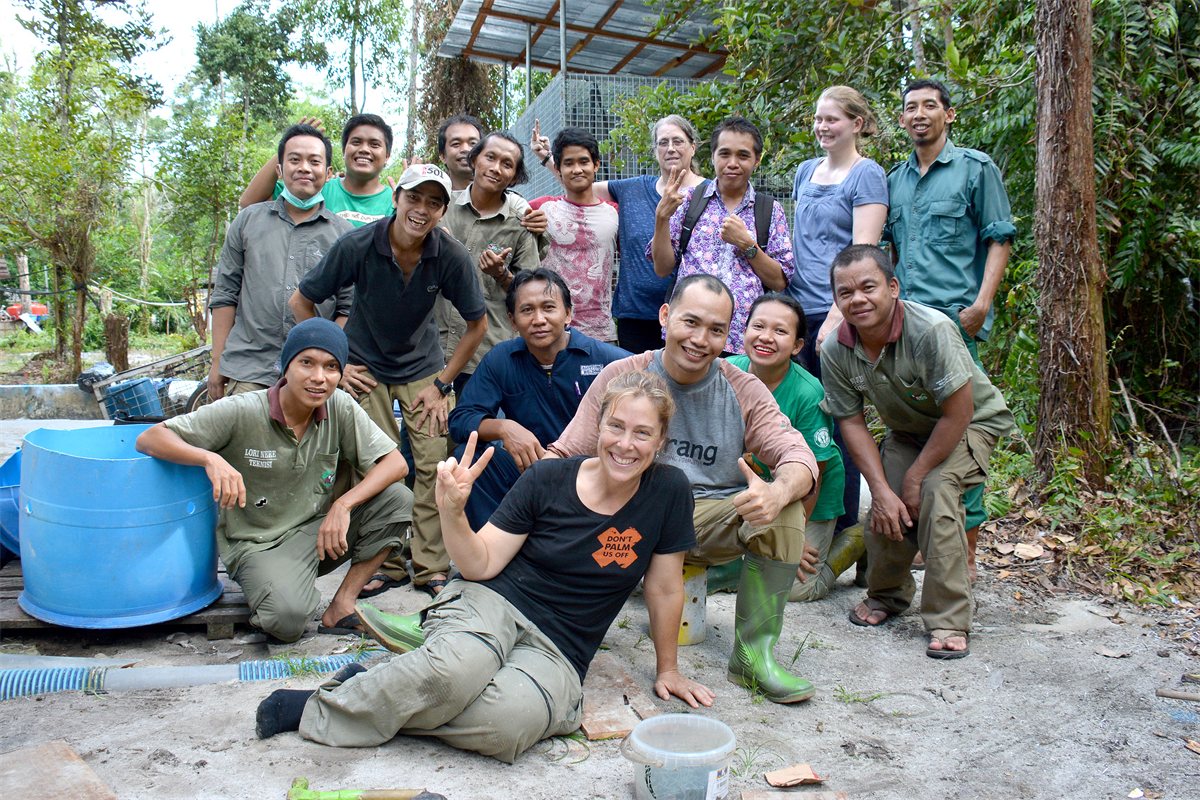
Indonesian staff
Nannies, vets, technicians and rangers on the ground.
-

2001
Fundraising since
Two decades of Australian supporters behind them.
Give today
Support Our Work
Help protect critically endangered orangutans and the forest they depend on.
Donations over $2 are tax deductible in Australia. You’ll finish on our secure donation page.
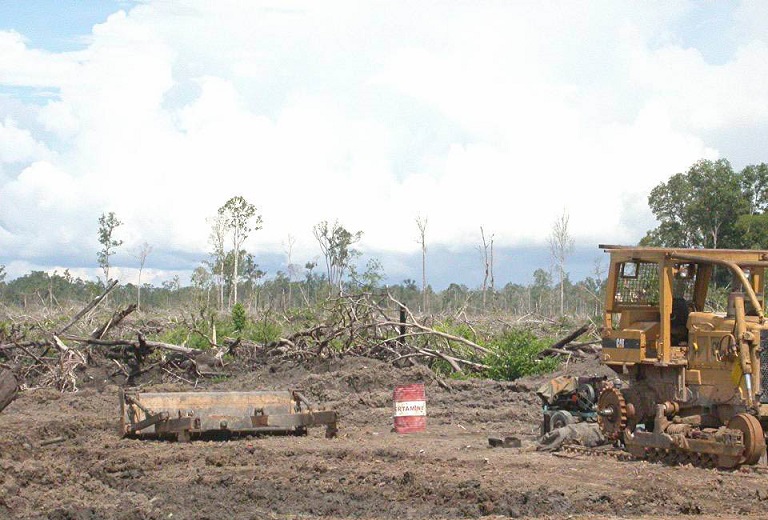
Critically endangered for a reason.
The wild population has fallen by more than 80% in fifty years, and every one of those losses traces back to something people chose to do.
-
01 — Habitat
Deforestation
Logging and clearing fragment the canopy into islands too small to feed a population, stranding orangutans in isolated pockets of forest.
-
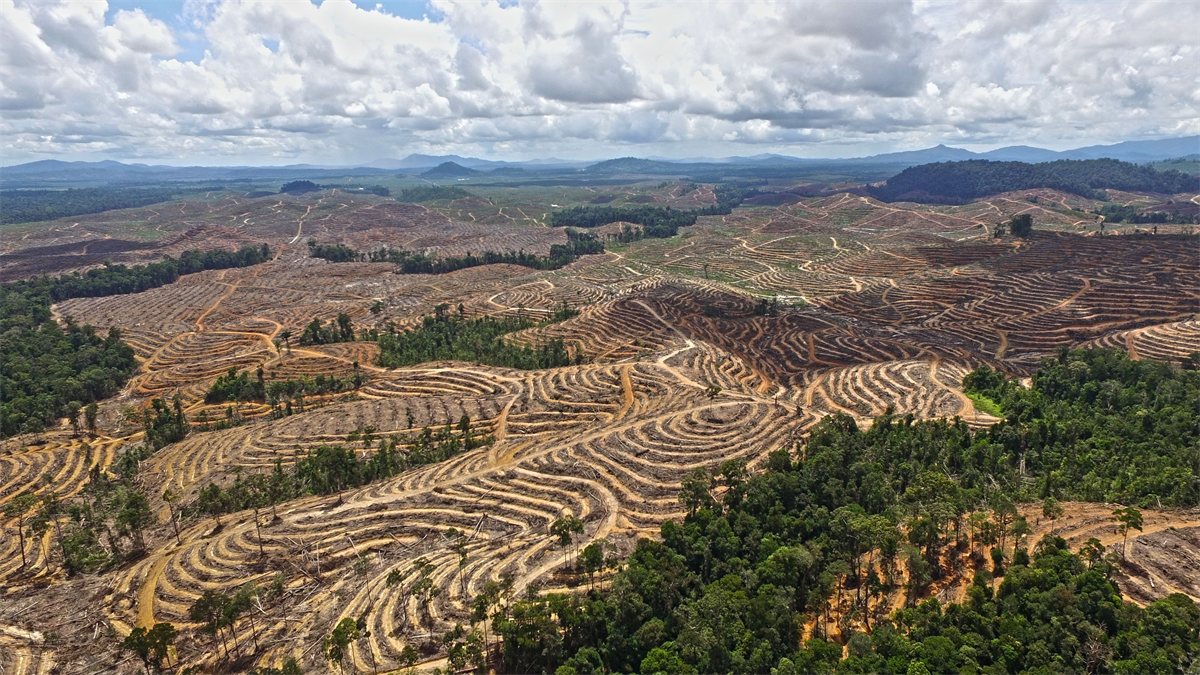
02 — Agriculture
Palm oil plantations
Monoculture replaces mixed rainforest with rows of a single crop that supports almost none of the species that lived there.
-
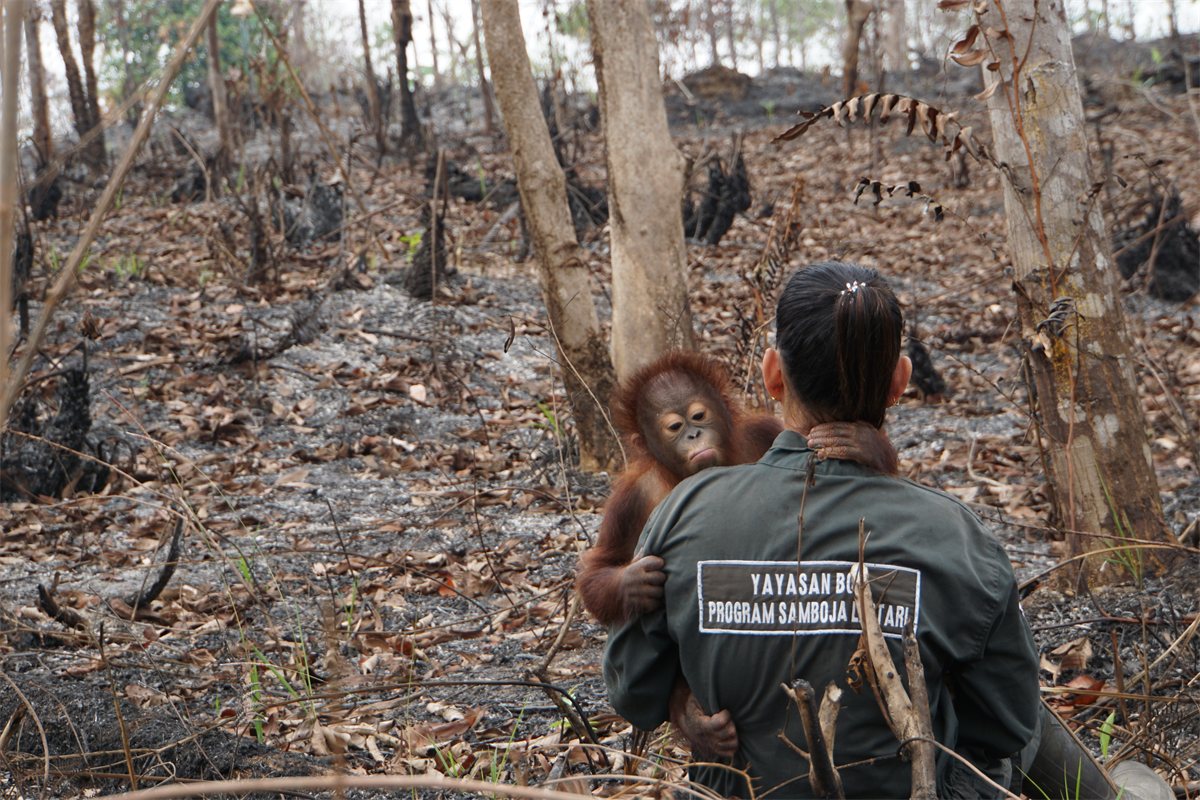
03 — Fire
Peatland burning
Drained peat swamps burn underground for months, destroying habitat and releasing globally significant volumes of carbon.
-
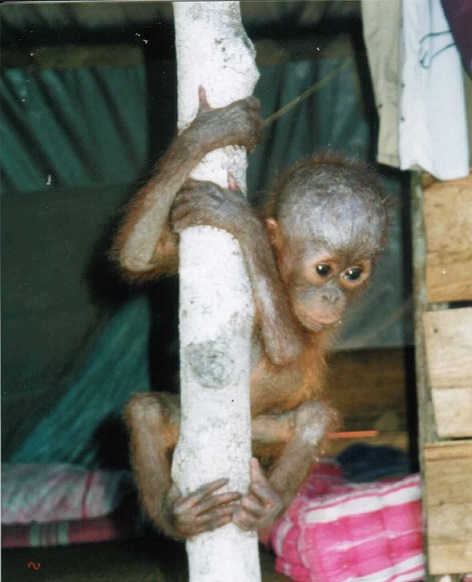
04 — Trade
Poaching & the pet trade
Infants are taken for the illegal pet trade — and because they cling to their mothers, an infant taken almost always means a mother killed.
Make a difference.
We offer several ways to support orangutan rescue, rehabilitation and release. Please join us on this important mission.
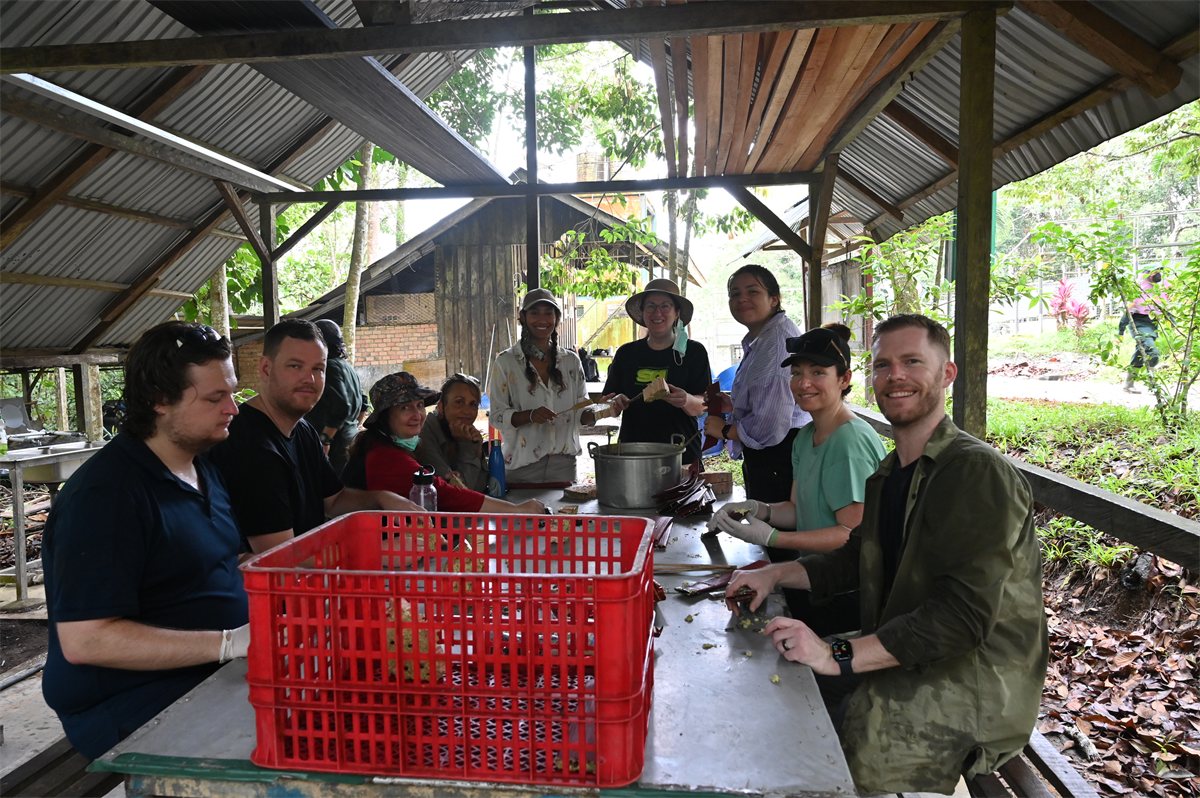
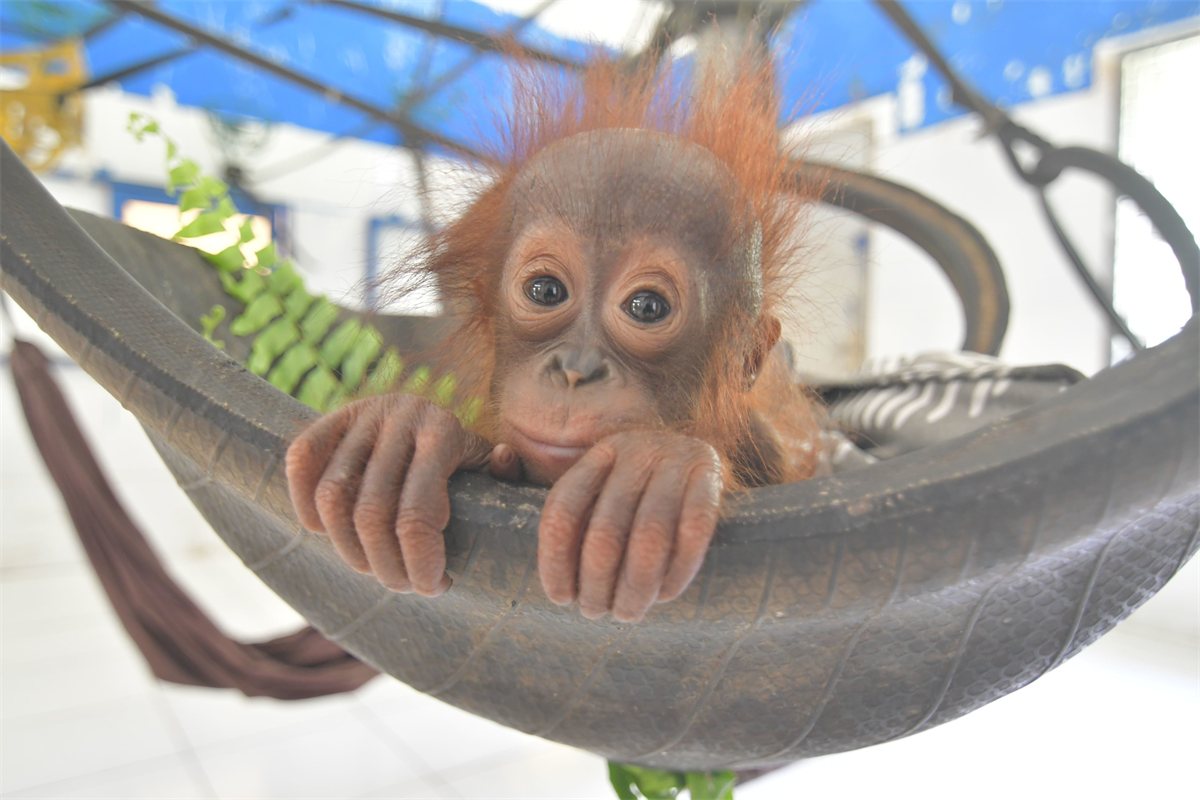
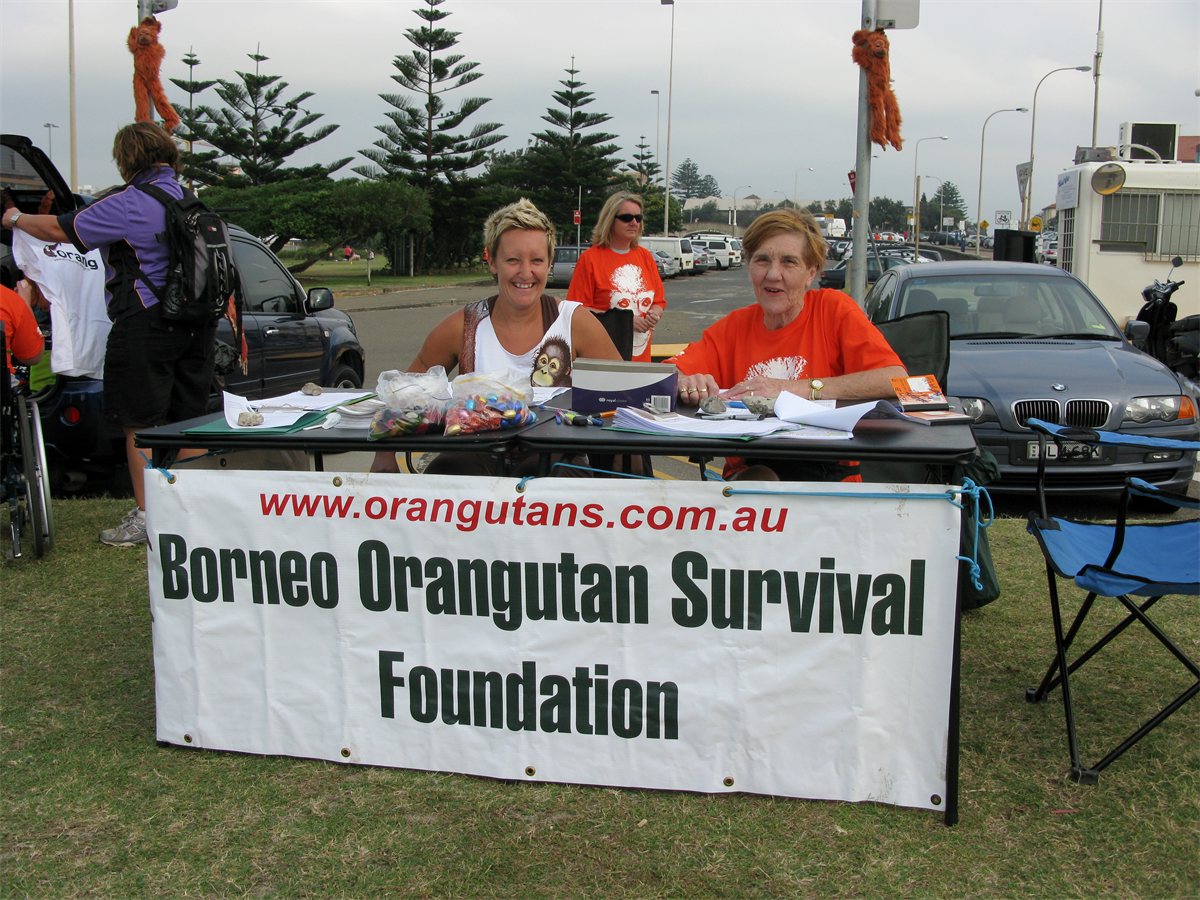

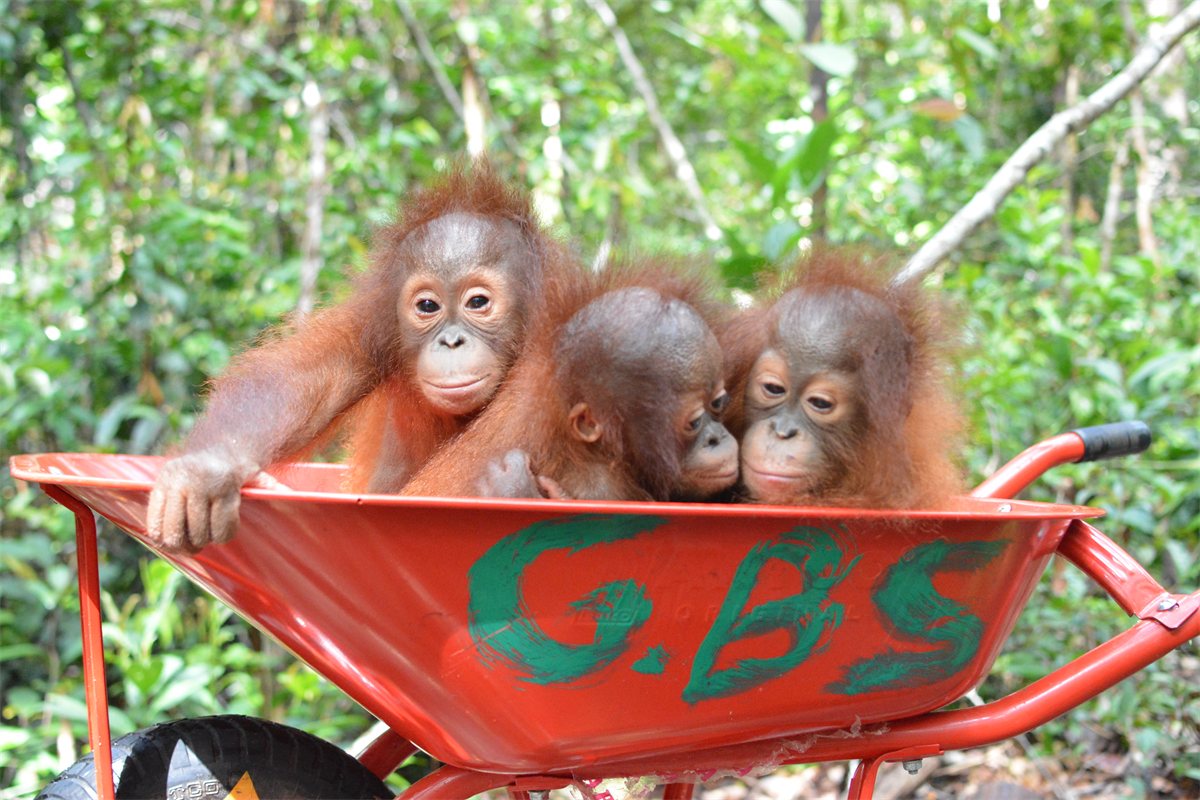
How you can help
Your donation goes
straight to Borneo.
BOS Australia is run by volunteers. Donations over $2 are tax deductible in Australia, and we fund exactly what the sanctuaries & staff need to care for the orangutans.